
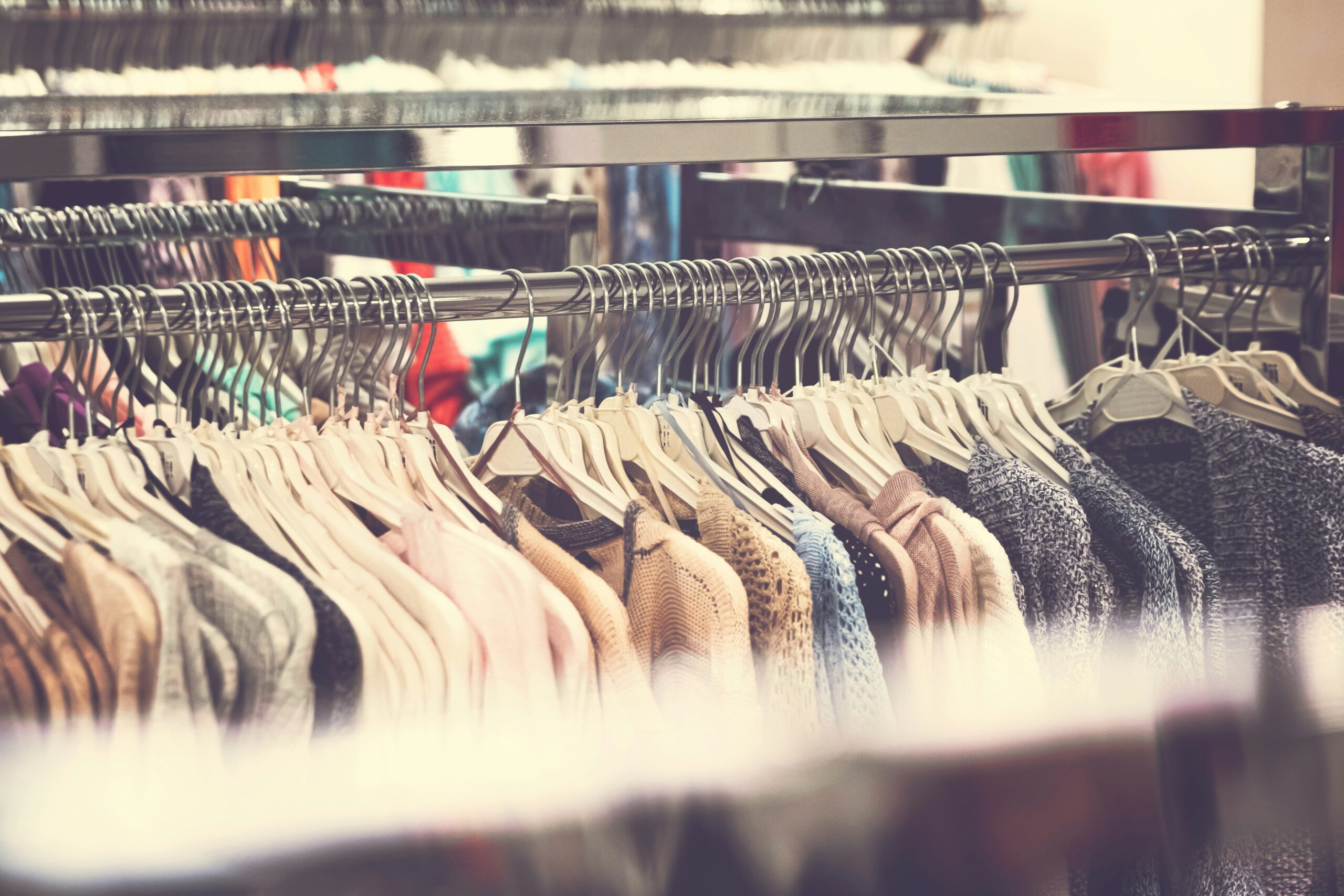
Fashion has always been a part of culture and everyday life, as it reflects lifestyle and social values. However, rapid fashion trends have created serious environmental concerns due to non‑biodegradable textile waste, excessive production, and other issues. Meanwhile, sustainable fashion is gaining attention among conscious consumers, designers, and environmental advocates for its ethical approach to production. Here is more to discuss.
What is Sustainable Fashion?
Sustainable fashion is more than a trend in which brands are responsible for adopting to create clothing ethically and environmentally friendly. The approach also focuses on eco-friendly fabrics and safe working conditions for wagers while encouraging consumers to slow down purchases, reuse more, and value quality over quantity.
The fashion industry has become one of the world’s largest polluters, making the urgency to work on sustainability greater than ever. Overflowing landfills, waste dumped into rivers, and excessive water use are accelerating climate change, forcing brands, consumers, and governments to rethink how fashion is produced and consumed. In 2026 and the years ahead, the focus is shifting toward building eco‑conscious brands and nurturing aware consumers who embrace greener practices.
Sustainable fashion is critical in India to prevent textile waste, water pollution from dyeing, and the overuse of synthetic fabrics. However, sustainability in fashion is not new to India. Traditional textile practices such as handloom weaving, khadi, and natural dyeing have long embodied eco‑friendly values. Today, modern fashion is reconnecting with these roots through recycling, upcycling, and thrifting, helping reduce environmental damage, support artisans, and set a global example of conscious living.
Importance of Sustainable Fashion Is Beyond Trends
The importance of sustainable fashion matters more than ever in today’s environmental-caution period. Overproduction and excessive consumerism, generating massive textile waste, huge carbon emissions, and water contamination through the extensive use of synthetic fabrics such as polyester, nylon, and acrylic.
Fast fashion is playing a significant role in shopping habits, but at a heavy cost to the environment. Cheap and accessible fashion encouraging a culture of hyperconsumption among fashion lovers, especially younger generations. “Use and throw” has become a trend due to easy and affordable accessibility, an unhealthy model that is now widely criticized for its environmental impact.
Due to constant debates, awareness is rising for textile waste and overconsumption of fashion, which propagates huge textile pollution in rivers and lands. Brands are being nudged to take responsibility and adopt ways to manufacture clothing ethically and environmentally friendly
Tradition Meets Modern Sustainability
India’s textile ecosystem has always reflected the principles of slow fashion. Long before sustainable fashion became a global discussion, Indian artisans practised the fusion of tradition and modern, sustainable, environmentally friendly craftsmanship.
Traditional Sustainable Practices in India
- Handloom weaving
- Natural dyeing methods
- Locally sourced fabrics
- Durable handcrafted garments
Popular Sustainable Textiles
- Khadi
- Ikat
- Block prints
- Ajrakh fabrics
Government programs such as the “India Handloom Brand” certification are helping support artisans and preserve authentic craftsmanship.
Fabrics & Innovation
Smart fabrics like organic cotton, hemp, bamboo fabric, linen, and even pineapple fiber are being encouraged as alternatives to synthetics. Organic cotton saves water and avoids harsh chemicals, whereas hemp is tough and environmentally friendly. Tencel (made from wood pulp), bamboo, and linen are light, breathable, and totally biodegradable, perfect for daily wear. Pineapple fibre is also a natural alternative to synthetic.
India has also been doing its part in the sustainable textile scene, with natural dyes, handloom weaving, and traditional crafts that continue to thrive to this day. Many artisans and brands working with sustainable goals still use colours made from techniques like Kutch’s Dabu mud-resist, Rajasthan’s Ajrakh, or tribal Aal roots. A few Indian labels also utilise “eco-printing,” a technique where real leaves (such as eucalyptus and neem) are pressed onto organic cotton.
Slow Fashion vs Fast Fashion
The debate between slow fashion and fast fashion represents a fundamental clash in sustainable fashion due to opposite philosophies. Fast fashion is all about quick production, cheap labour, and pushing trendy clothing on the other hand, slow fashion focuses on long-lasting and responsibly manufactured clothing; however, it is not cheap. It thrives on constant new collections, poor working conditions, and massive textile waste, contributing to pollution and exploitation.
In fast fashion, the constant release of new collections and large amounts of fabric waste contribute to pollution and exploitation. Therefore, slow fashion is considered sustainable and responsible.
Upcycling & Thrift Culture
Choosing to thrift or upcycle is one of the most effective ways to keep clothes out of landfills and control environmental damage. Even the manufacturing of organic cotton clothing requires thousands of litres of water, but buying thrifted clothes saves a huge amount of freshwater.
Upcycling is the craft of creating or designing something new from old, unwanted clothes without using factory chemistry and new raw materials. This process is turning textile waste problems into creative solutions.
Thrifting is the art of reselling or simply buying secondhand clothes after some repair. It gives discarded clothes a second life by preventing them from ending up in landfills.
Thrifting and upcycling transform problems into solutions by breaking the “wear and throw” cycle, cutting down on harmful chemicals, and fighting global textile dumping. These practices are helping fix the fashion crisis and move us closer to true sustainability.
Challenges & Criticisms
Sustainable fashion is getting more attention all the time, but the industry’s still got a lot of hurdles to overcome. For one thing, there’s been zero attempt to actually tackle the real problems like greenwashing, high production costs, and fast fashion’s dominance over the whole space. As a result, progress towards more responsible fashion choices just isn’t happening fast enough.
Greenwashing and Transparency
Greenwashing is one of the major problems in the progress of sustainable fashion due to misleading eco‑friendly claims of brands. Profit‑driven companies masquerade as sustainable and may promote recycled products with some minor changes while ignoring larger and authentic sustainable practices, leading to confusion and distrust among the masses. Dubious practices like using the same old production methods and misleading marketing discourage failed sustainability claims, and in fashion, it does contribute to pollution.
High Production Costs
Sustainable fashion is a lot more expensive and means a lot more. It’s all because eco-friendly fabrics, fair labour practices, and all the other stuff are just plain costly. For example, organic cotton and recycled fabric are expensive stuff to source and work with, especially when compared to the cheap synthetic crap that fast fashion is churning out by the ton. Fast fashion wins out easily because it’s just so darn cheap to produce. Therefore, most people just can’t afford to opt for sustainable fashion even when they want to.
Accessibility Issues
In sustainable fashion, accessibility is really a challenge and a common criticism due to high costs, limited availability, and confusion & distrust caused by greenwashing for consumers. Whereas brands face challenges to find smaller markets for their products, balancing profits while maintaining ethics, and accountability & transparency demands, which are difficult to implement.
Indian Companies Leading Waste Management & Recycling
India is also rapidly expanding support for the sustainable fashion industry, working with innovative ideas introduced by brands and recycling‑based companies. Many companies engaged in fabric recycling, upcycling, and circular textile systems are working to reduce textile waste and promote conscious consumption. They are processing both industrial fabric scraps and post‑consumer waste to help prevent pollution.
Consumer Fashion & Upcycling Brands
Doodlage
This brand is one of the leading names in circular fashion in India. It upcycles clothes and creates stylish garments using factory waste, discarded fabrics, and post‑consumer textiles. This approach supports zero‑waste apparel and enables the creative production of lifestyle products.
No Nasties
Vegan clothing company operating on a circular economy model by utilizing 100% organic cotton and fair‑trade production methods. It works by recycling old garments into new yarn, empowering environmentally friendly manufacturing and promoting sustainable fashion practices.
Ka-Sha
Through its conscious production system, Ka‑Sha is known for using handcrafted techniques and sustainable materials to design unique pieces of clothing. It creates unique garments, upcycles, and repairs textiles to minimise environmental impact.
Respun
The team behind this label is working responsibly on recycling, providing pan‑India doorstep services for old clothes. By collecting, sorting, and shredding garments into different categories, they transform them into valuable new products, helping minimise textile waste and prevent pollution.
Conclusion
Sustainable fashion has got the fashion world rethinking the way we shop by putting the planet at the forefront, tackling not just environmental damage but also questioning where our clothes are made and how much we really need to buy. Fast fashion thrives on buying heaps of new items and generating mountains of waste. Sustainable fashion, on the other hand, focuses on cutting down pollution, reducing the carbon footprint, and eliminating the harmful chemicals tied to fashion production. Ethical fashion also ensures fairness for the people who make our clothes — fair pay and safe working conditions are essential for any responsible brand. Consumers who are no longer content to follow the tide of fast fashion are now seeking brands that reflect their values. Many of these brands are leading the movement by creating organic clothing from innovative fabrics, which are not only kind to the planet but also comfortable to wear.