
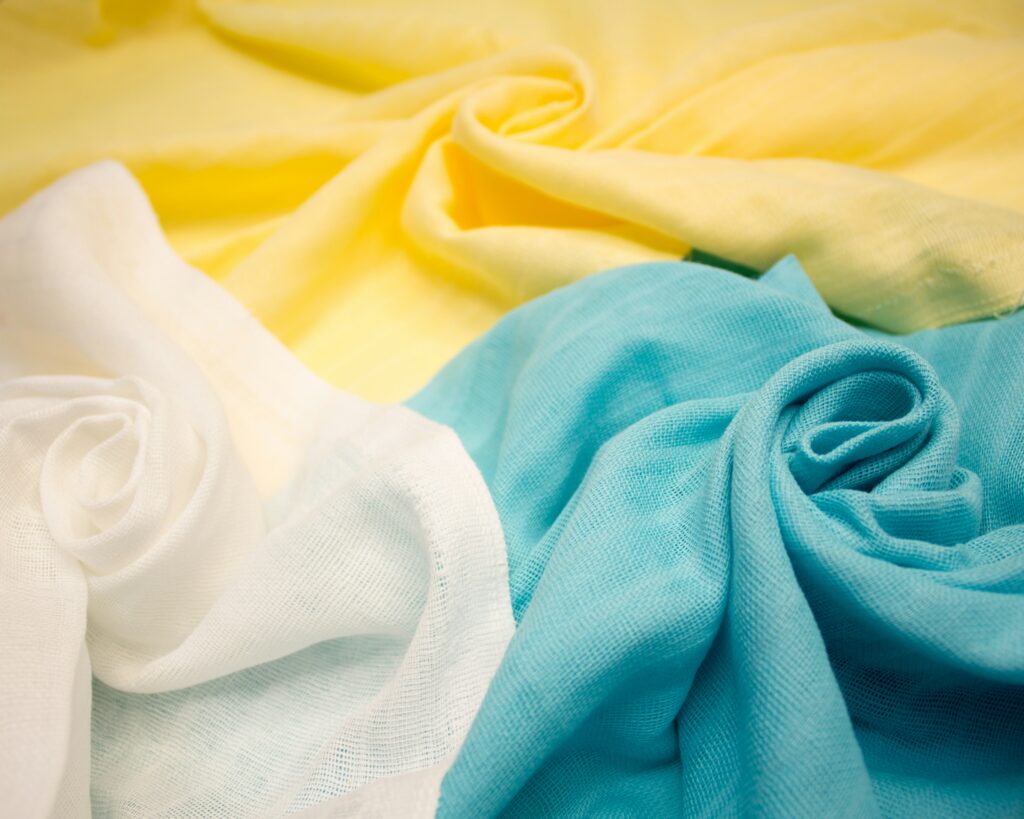
Best Fabric for Summer
Cotton – The Most Reliable and Easy Choice
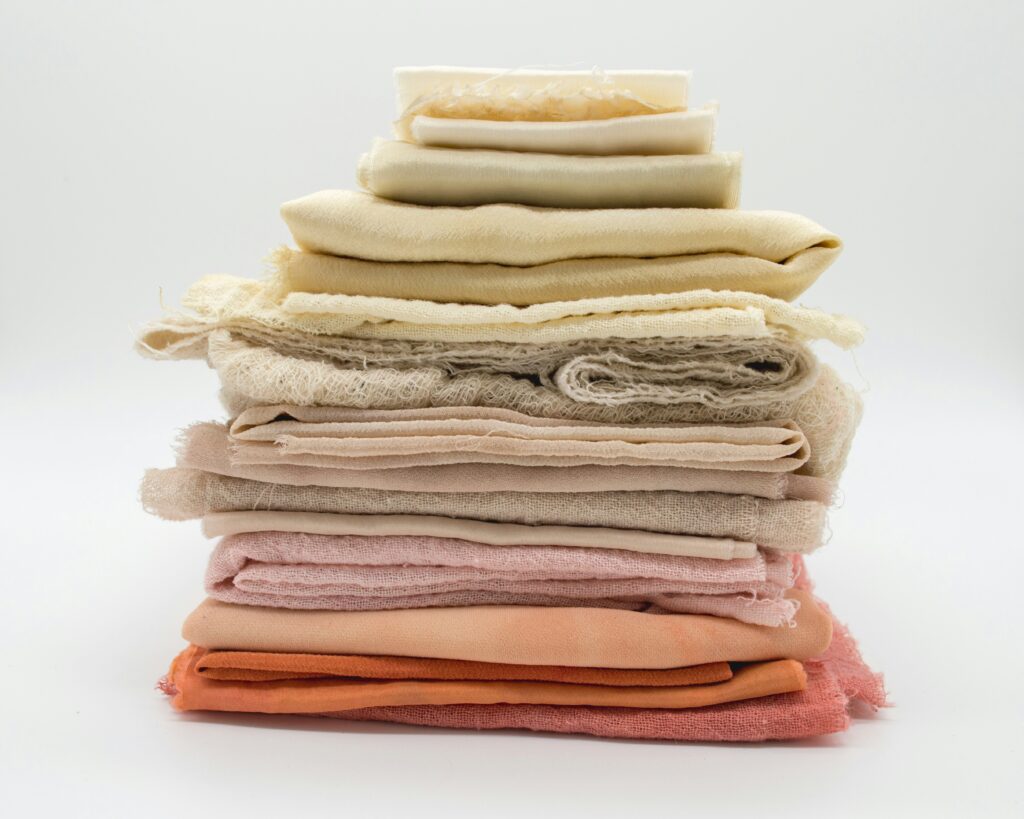
It’s impossible to think of summer without mentioning cotton. Cotton has always been the most reliable fabric for Indian weather. Its biggest advantage is its ability to absorb sweat easily and provide a breathable feel.
Cotton is also good for office-goers because it doesn’t irritate the skin even after wearing it all day. Whether you’re wearing a formal shirt or a kurti, cotton provides comfort in any outfit.
If you’re looking for something for daily wear, 2-3 good-quality cotton kurtis or shirts can get you through the week. Handloom cotton, in particular, is a bit airier and provides even more comfort in the heat.
Linen – When you want comfort and a bit of class

Linen is comfortable for those who want comfort and a slightly polished look. This fabric is lightweight and dries quickly, reducing sweating.
Although linen does wrinkle a little, that’s part of its natural look. Linen blends are also available today, which are less prone to creases and easier to maintain. Wearing a linen shirt or kurta to the office adds a subtle premium feel. If you’re in a client-facing role or have a lot of meetings, this fabric can elevate your overall appearance.
Rayon – A Stylish and Lightweight Flowy Look on a Budget
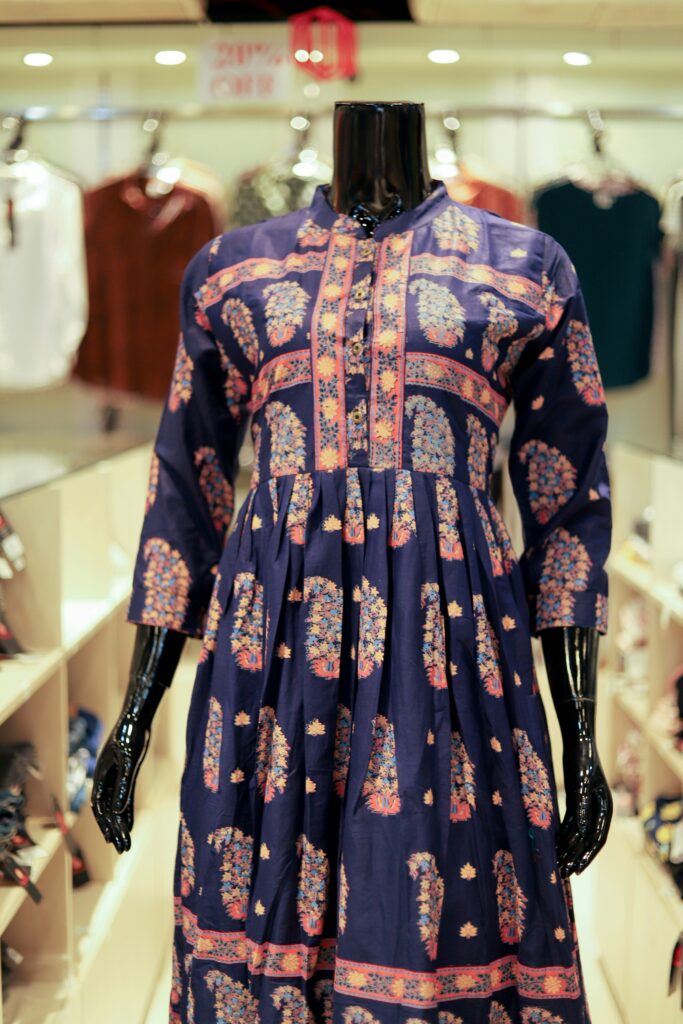
Wearing simple cotton every day can sometimes feel monotonous. Rayon is a good alternative, specifically when you want a more lightweight, loose and stylish look.
Rayon’s distinctive quality is that it falls well on the body and gives outfits a rich feel without costing too much. This is especially good for those who prefer Indo-Western styles or printed dresses. While it’s not as comfortable as cotton on a very humid day, it’s a great option in moderate heat. If you want variety on a budget, consider keeping 1-2 rayon outfits in your wardrobe.
Mulmul (Muslin) – When the heat really gets to be a bother
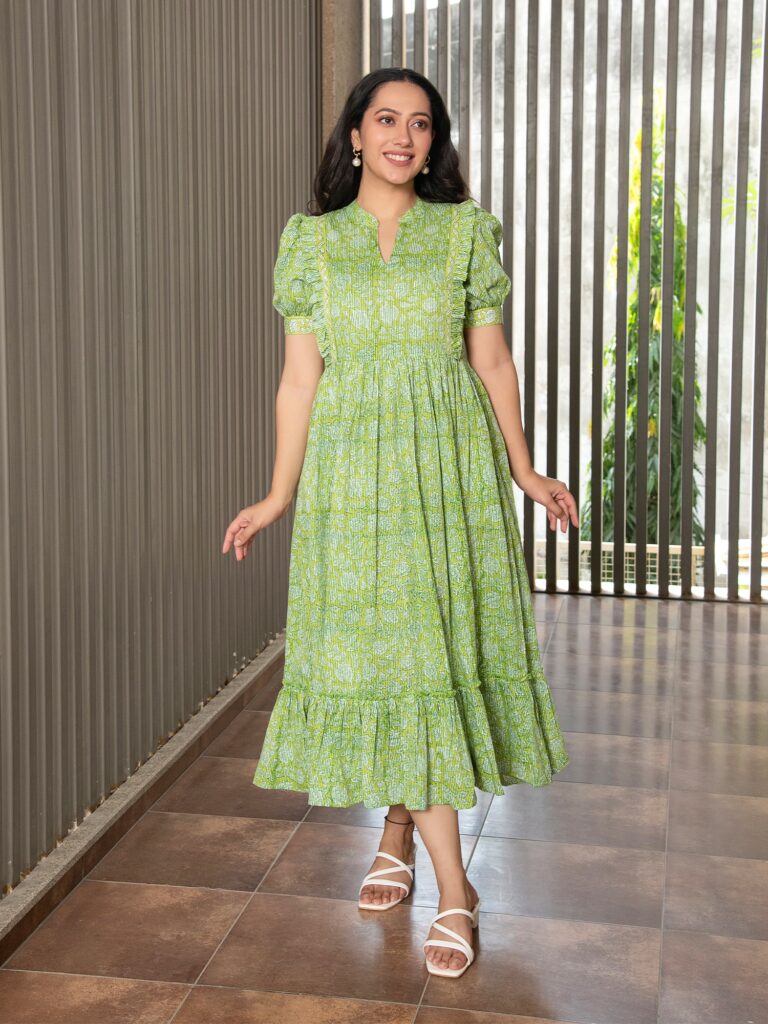
There are some days when the heat feels like more than just heat but torture. In those days, mulmul was considered the lightest and most soothing fabric.
It’s so soft and airy that you can feel the difference the moment you wear it. It’s also great for those with sensitive skin because it doesn’t irritate. In the office, you can use a mulmul less as a direct outfit and more as a layering piece or dupatta. This keeps your overall look light and comfortable.
Khadi – Traditional yet Practical
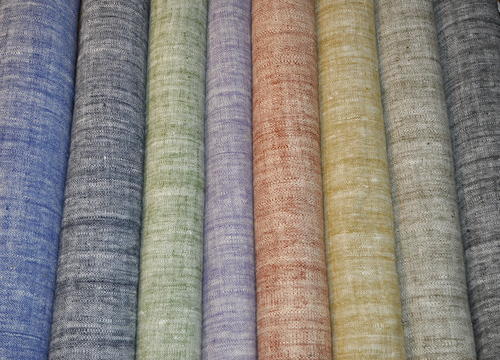
Khadi is often thought of as just traditional wear, but it’s just as practical for daily office wear. Its texture is a bit coarse, but that’s its strength—it allows air to circulate and keeps the body cool. The best thing about khadi is its durability. Once purchased, it lasts a long time, making it budget-friendly.
If you prefer a simple and earthy look, khadi kurtas or shirts could be the ideal choice.
Cotton-Linen Blend – A Balance of Both
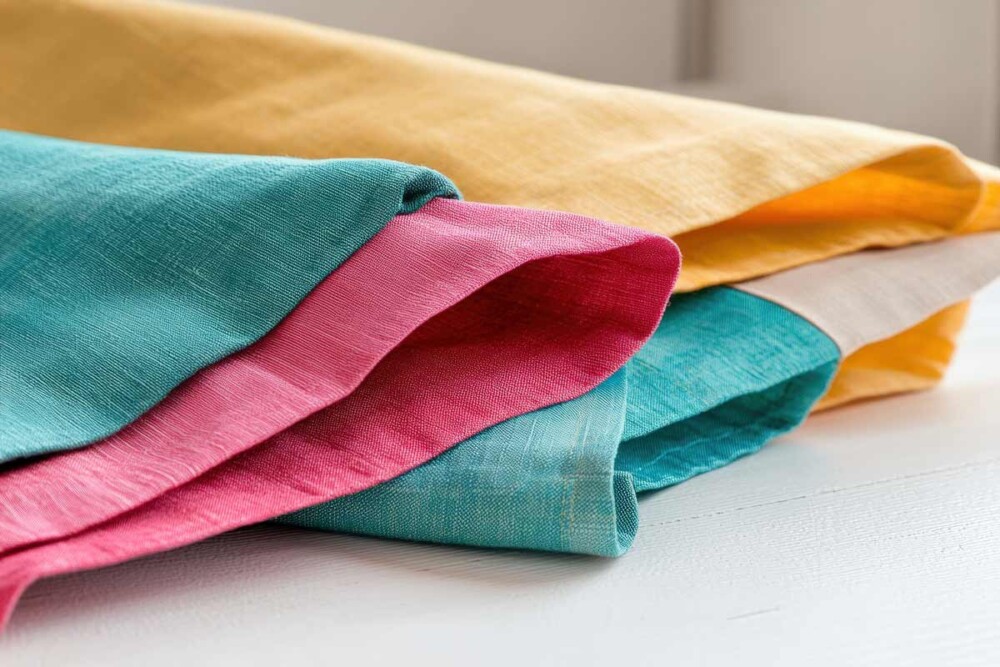
Sometimes pure cotton feels too soft and pure linen too crisp. In such cases, a cotton-linen blend offers a balanced option. This fabric is also breathable and doesn’t wrinkle much. It’s very practical for daily office use because it’s easy to handle and retains its shape for a long time.
If you’re looking for a fabric that’s low maintenance yet comfortable, this blend could be a good investment.
Which fabrics are best avoided?
As important as choosing the right fabric is, avoiding the wrong one is equally important. Fabrics like polyester and nylon trap body heat in the summer, increasing sweating and discomfort.
Heavy silk or thick synthetic fabrics are also not practical for office wear, especially during the daily commute. These fabrics may look good, but they can become uncomfortable when worn for extended periods.
So, try to prioritise natural fabrics in your summer wardrobe.
Small But Important Tips for Choosing the Right Fabric
Don’t just go by the look when buying fabric. It’s also important to consider the weave, thickness, and feel. Fabrics with a light and loose weave allow more air to pass through, making you feel less hot.
Fits are also very important. Clothes that are too tight restrict airflow, which increases sweating. A relaxed fit keeps you more comfortable.
Colour selection also matters. Light shades like white, beige, or pastel colors absorb less heat, giving you a little extra comfort.
How to Build a Smart Wardrobe on a Budget
In fact, if the wardrobe is carefully curated, the whole week can be easily manageable with fewer clothes, such as 3 cotton, 2 rayon and 1 linen outfits are enough for a week. By mixing and matching them, you can create different looks without spending a lot.
Apart from spending a lot of money all at once, gradually add pairs to strengthen the wardrobes to avoid direct strain in your pocket. Above all, styling in summer with comfortable clothes automatically enhances confidence.
In the conclusion, comfort is true style.
Summer fashion isn’t just about looking good, but it’s about feeling good. When you’re comfortable, your confidence naturally shines through.
So, next time you’re choosing clothes for the office, it is good to consider the fabric before the design. The right choice will not only reduce your heat but also make your entire day easier.
If the fabric is right, the heat feels manageable.