
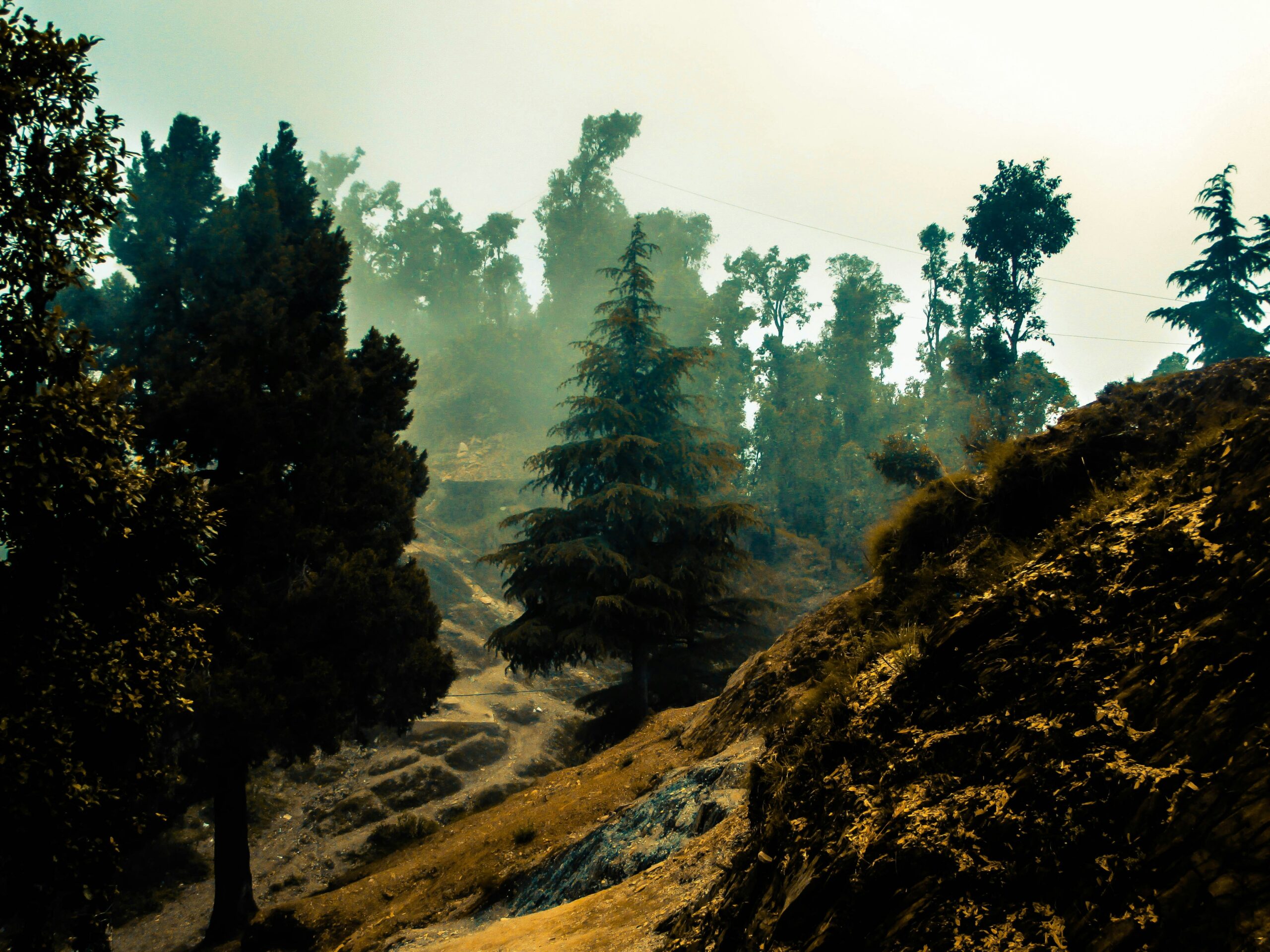
In the lap of the Himalayan foothills and the Shivalik ranges, the beautiful city of Dehradun is often overshadowed by its touristic neighbours like Mussoorie and Rishikesh. For some travellers, the city may serve merely as a gateway to hill stations or spiritual sites in Uttarakhand, but Dehradun has much more to offer. It has natural beauty, colonial history, and a vibrant modern urban energy.
The charming Doon Valley balances a peaceful atmosphere with a pleasant climate, lined with green avenues, distant mountain views, and wooded surroundings. In addition, freshly baked food items, local bazaars, prominent educational institutions, and hidden temples situated among modern cafés attract travellers by showcasing both progress and tradition.
Above all, the streets of Dehradun not only connect places but also reflect traces of British‑era influence, Garhwali culture, and independent India’s progress all within the same landscape. In this Dehradun travel guide, prominent streets are highlighted for their effortless coexistence of heritage and modern development.
Historical & Spiritual Streets of Dehradun
The city lets one discover fascinating aspects while exploring the streets of Dehradun through its woven history and spiritual identity. As the streets of Dehradun carry traces of colonial influences, it still has the British era’s elegant bungalows, organised urban planning, and other colonial-era buildings.
One of the finest examples is the Forest Research Institute, which showcases Greco-Roman architecture, extended lawns, and huge corridors, making it an iconic landmark of the city. The surrounding grand roads and institutional avenues display their calm and disciplined progress that still prevails in parts of Dehradun.
In terms of spirituality, the city has few sacred sites where devotees can throng to satiate their inner peace. A few prominent ones are the following:
Tapkeshwar Temple
The Tapkeshwar Temple is situated inside a natural cave with flowing water streams. It is a unique temple of Lord Shiva that attracts both devotees and travellers seeking peace.
Guru Ram Rai Darbar
Guru Ram Rai Darbar in Dehradun stands as a symbol of the city’s Sikh religious and cultural heritage. It’s known for Indo-Islamic architecture, spiritual significance, amazing mural paintings, and the annual Jhanda Mela festival.
Together, these places transform the streets of Dehradun into pathways that connect history and faith in everyday life.
Nature Woven into the City of Dehradun
A major highlight of exploring the streets of Dehradun is its blend of urban life with forests, streams, caves, and green open spaces. Dehradun retains a cosy relationship with nature and urban development, unlike other rapidly growing cities, allowing residents and travellers to enjoy scenic beauty while travelling on city roads.
While travelling through the peaceful green retreat of the Doon Valley, travellers can discover one of its most popular natural attractions, Robber’s Cave, locally known as Guchhupani. Hidden amidst rocky surroundings, it is famous for its fascinating cave formations. Walking barefoot in the stream that flows through the narrow passage creates a refreshing and adventurous experience. The sound of flowing water and the green‑shaded surroundings make the visit truly memorable while exploring Dehradun.
Another gem in the city’s landscape is Sahastradhara, known for its water springs and striking limestone formations. The streets in this area are considered both scenic and therapeutic for nature lovers. Surrounded by hills and waterfalls during the monsoon season, Sahastradhara offers a peaceful escape from the city’s noise. Activities such as ropeway rides and panoramic valley views add to its appeal for travellers.
Families with children can visit places like Malsi Deer Park and Lachhiwala, which provide relaxing green spaces ideal for short outings. Malsi Deer Park is popular among kids, featuring landscaped gardens and a small wildlife park. In contrast, Lachhiwala is known for its forest atmosphere, natural water pools, and picnic‑friendly environment. These destinations in Dehradun reflect the city’s refreshing natural charm alongside its modern urban development.
Cultural Streets of Dehradun
Dehradun is shaped by the coexistence of culture and spirituality with ancient temples, monasteries, local rituals, and festive celebrations, along with modern restaurants, educational institutions, and markets.
Another one of the significant landmarks is Mindrolling Monastery, known as the largest Buddhist centre in India, located on Clement Town Road in the Clement Town area. The monastery established by the Tibetan community displays its Buddhist traditions through its grand architecture, towering stupa, and peaceful prayer halls. The streets around Clement Town are lined with Tibetan shops, cafés, and local eateries.
Rajpur Road is a vibrant hub of the modern city, home to the recently opened Rashtrapati Tapovan and the historically significant Sakya Centre Buddhist Monastery. This area offers a peaceful stop for dining and leisure, with trendy cafés and restaurants adding to its charm.
Markets & Everyday Life in Dehradun
Beyond tourist attractions and scenic landscapes, Dehradun is also known for local markets, which are filled with traditional and modern shops. Paltan Bazaar, Rajpur Road, and Clement Town represent the different characters of Dehradun, from chaotic traditional markets to upscale modern avenues.
Paltan Bazaar
Paltan Bazaar is one of the oldest shopping areas, located near the Clock Tower in the heart of the city. Tourists and locals visit its clothing stores, handicraft shops, local street food stalls, and souvenir outlets. A walk through Paltan Bazaar offers an authentic glimpse into the local lifestyle of Dehradun.
Rajpur Road
Another iconic market street shaping the urban life of Dehradun is Rajpur Road. Unlike the crowded old bazaars, Rajpur Road showcases a more contemporary side of the city with stylish cafés, bookstores, restaurants, bakeries, and shopping outlets. Students and young professionals often visit this market for its cosmopolitan culture and well‑maintained, pleasant atmosphere.
Clement Town
Clement Town Road is another important locality, known for its Tibetan influence and smaller, community‑focused local market. Unlike the busy commercial areas of central Dehradun, it has a quiet atmosphere where cafés, monasteries, and small markets exist together. Tibetan culture, peaceful surroundings, and local food all contribute to the city’s continuously evolving experience.
Food Trails of Dehradun
The experience of exploring Dehradun is incomplete without discovering its local food culture. The city offers a wide range of food trails that blend traditional flavours with cosy cafés and roadside vendors. The streets of Dehradun are especially famous for classic North Indian street food. Savouries such as chhole‑bhature, crispy samosas, spicy chaat, and the city’s beloved bun‑tikki remain iconic local snacks. For delectable cuisine, stylish coffee houses, bakeries, rooftop cafés, and restaurants cater to travelling crowds. Many food outlets continue colonial‑era baking traditions, offering freshly baked rusks, plum cakes, pastries, biscuits, and breads that everyone in the city loves.
Nearby Escapes from Dehradun
Dehradun is strategically located near some of North India’s most famous travel destinations, making it a convenient base for short getaways to Mussoorie and nearby towns like Rishikesh and Haridwar.
Mussoorie
Mussoorie, connected through the scenic Rajpur Road route, attracts visitors with its cool climate, colonial charm, mountain views, waterfalls, and bustling Mall Road.
Rishikesh & Haridwar
Meanwhile, Rishikesh and Haridwar combine spirituality with adventure through yoga centres, river rafting, cafés, and the peaceful Ganga ghats. Travellers often come here for a spiritual connection, visiting sacred temples and attending the mesmerising Ganga Aarti at Har Ki Pauri.
Rajaji National Park
Nature explorers can also visit Rajaji National Park, located close to Dehradun, which is home to elephants, deer, leopards, exotic birds, and diverse Himalayan wildlife. Jungle safaris, eco‑tourism activities, and tranquil forest surroundings make it an ideal destination for those seeking adventure and nature beyond the city streets.
Conclusion: Every Street of Dehradun Tells a Story
Dehradun is more than just its roads, markets, and landmarks. It offers the experience of walking through layers of spirituality, colonial history, nature, and evolving urban culture all at once. Travellers can explore peaceful temple caves, colonial‑era institutions, natural sites, and lively cafés, which together balance Dehradun’s past and present. The streets of Dehradun are storytellers, reflecting local life and the rhythm of its diverse people. To truly experience Uttarakhand’s soul, one must begin by exploring the streets of Dehradun.